


Core Modules Covered in Modern Payroll Training Courses
Posted on: June 02 2026, By : Blog Admin
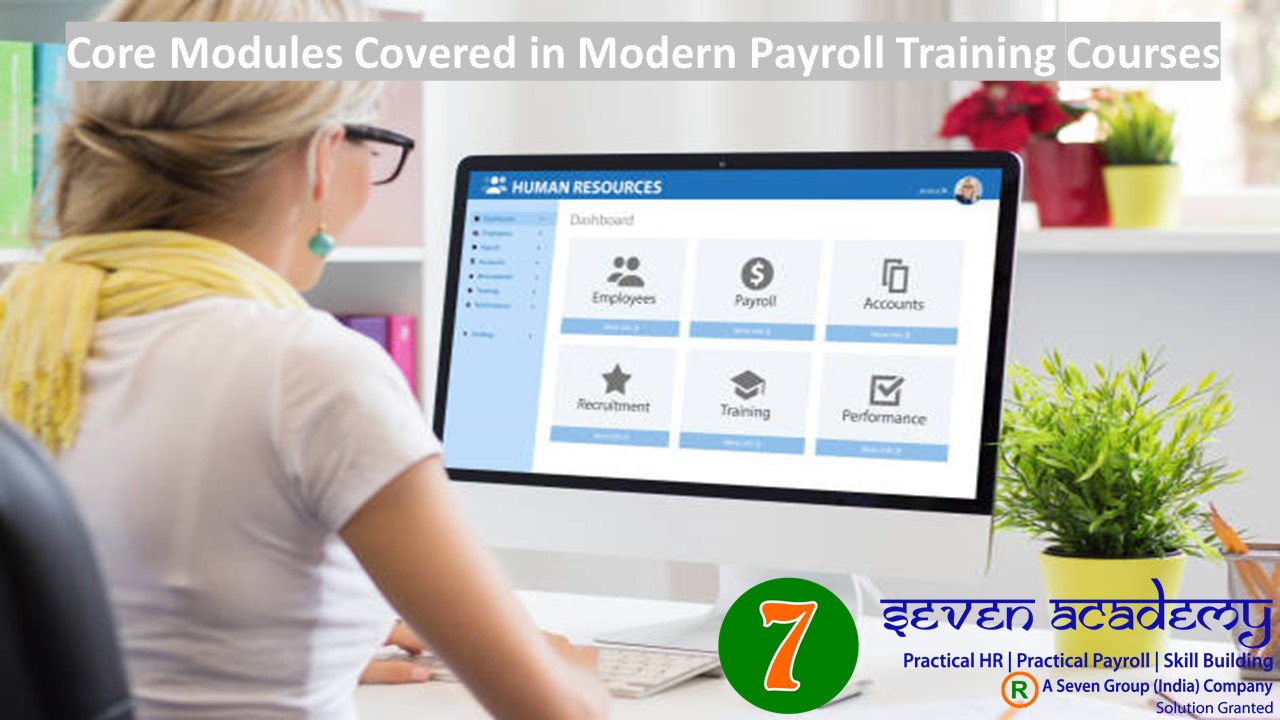
Payroll management has become an essential operational function because every organization depends on accurate salary administration, statutory compliance, and employee compensation management to maintain professional stability. Modern payroll systems involve much more than salary calculation because organizations must manage attendance records, employee benefits, tax deductions, labor law compliance, reimbursements, incentives, and payroll reporting with complete precision. Businesses now prefer professionals who possess both technical payroll expertise and practical industry knowledge. This demand has increased the importance of professional payroll education for students, HR professionals, finance executives, and business administrators. Payroll training helps learners understand how organizations process salaries while maintaining compliance with government regulations and internal company policies. Professional payroll education also improves software handling abilities because most organizations now use automated payroll systems for operational efficiency. Payroll knowledge creates career opportunities across multiple industries because every business requires professionals who can maintain transparent salary operations and compliance accuracy. A structured payroll learning process develops analytical thinking, communication skills, organizational discipline, and technical confidence. These abilities help professionals manage payroll responsibilities efficiently while supporting employee satisfaction and financial accountability within corporate environments.
One of the most important modules included in Practical Payroll Training focuses on salary structure management and employee compensation systems. Learners understand how organizations calculate gross salary, basic salary, allowances, incentives, overtime payments, reimbursements, and deductions through practical payroll examples. This module helps professionals understand how different salary components affect employee earnings and organizational payroll expenses. Practical payroll education also teaches attendance management systems because attendance records directly influence salary calculations in most organizations. Learners gain exposure to leave management procedures, overtime calculations, holiday compensation policies, and shift-based payroll structures through real business scenarios. Payroll software exposure forms another essential part of practical payroll modules because businesses rely on automated payroll systems for operational accuracy and reporting purposes. Learners understand how to generate salary slips, maintain employee records, process payroll reports, and calculate deductions professionally. Practical payroll modules also improve problem-solving abilities because payroll professionals regularly handle salary discrepancies and employee clarification requests. This practical exposure develops confidence and prepares learners for real corporate payroll responsibilities where accuracy, confidentiality, and efficiency remain essential for organizational success.
Compliance management forms another major area within modern payroll education because organizations must follow strict statutory regulations and taxation policies. Payroll Training includes detailed modules related to provident fund calculations, employee state insurance regulations, professional tax systems, gratuity management, labor law compliance, and income tax deductions. These modules help learners understand how businesses maintain legal payroll practices and avoid financial penalties. Payroll professionals require strong compliance knowledge because incorrect statutory calculations can create legal complications for organizations. Modern payroll training also includes modules related to payroll documentation and audit preparation because businesses require proper records for financial verification and compliance reviews. Learners understand how to maintain payroll registers, employee tax records, reimbursement documents, and statutory reports in an organized manner. Communication and employee coordination also receive attention during payroll training because payroll professionals regularly address employee concerns regarding salary deductions, reimbursements, and tax declarations. This combination of compliance education and communication development prepares professionals for corporate payroll environments where technical expertise and employee interaction remain equally important. Compliance-focused payroll education therefore strengthens professional credibility and supports long-term career growth in HR and finance sectors.
Technology-driven payroll management has increased the importance of advanced operational modules within Payroll Training Courses because modern organizations depend heavily on automation and digital payroll systems. These training courses include modules related to payroll software applications, salary automation systems, payroll reconciliation, payroll reporting methods, and data management procedures. Learners understand how organizations use technology to maintain payroll accuracy, reduce operational errors, and improve reporting efficiency. Advanced payroll modules also focus on tax planning procedures, salary revision management, arrears calculations, bonus administration, and full-and-final settlement processes. These topics help learners understand complex payroll operations that businesses manage regularly. Payroll training courses also introduce payroll analytics because organizations now use payroll data for budgeting, workforce planning, and compensation analysis. Learners gain knowledge regarding report interpretation and payroll-based financial analysis that support management decision-making. Advanced payroll modules also improve adaptability because payroll regulations and software systems continue to evolve according to industry trends and government policies. Companies value professionals who can manage both technical payroll systems and compliance responsibilities effectively. This advanced payroll education therefore prepares learners for professional roles that require analytical thinking, software expertise, operational discipline, and organizational responsibility.
Professional payroll education also includes modules that focus on organizational management, employee coordination, and business communication because payroll professionals interact with multiple departments within an organization. Payroll Courses teach learners how payroll functions connect with HR operations, finance management, employee relations, and workforce satisfaction. Learners understand how payroll accuracy influences employee trust and organizational reputation. Payroll professionals often coordinate with HR teams regarding attendance records, leave management, employee benefits, and compensation policies. They also work with finance departments regarding budgeting, salary reporting, and compliance documentation. Payroll education therefore develops communication abilities and professional discipline that support efficient workplace coordination. Modern payroll courses also include modules related to confidentiality management because payroll professionals handle sensitive employee salary information that requires secure handling. Time management forms another important module because payroll departments follow strict salary processing deadlines every month. Learners understand how to prioritize payroll tasks and maintain operational efficiency under pressure. These organizational and communication-focused modules prepare professionals for real business environments where payroll management requires technical expertise, professional responsibility, and strong interpersonal skills to maintain smooth organizational operations.
A reputed Payroll Training Institute plays an important role in delivering industry-oriented payroll education because quality learning environments help students develop practical expertise and professional confidence. Modern payroll institutes structure their modules according to current business requirements and corporate payroll practices. These institutes provide software exposure, practical assignments, case studies, compliance education, and real payroll scenarios that help learners understand workplace responsibilities clearly. Experienced trainers guide students through salary calculations, statutory deductions, tax systems, payroll audits, and reporting procedures with practical examples that improve technical understanding. Payroll institutes also focus on interview preparation, resume development, and professional communication skills because organizations seek candidates who demonstrate operational confidence and compliance awareness. Many institutes provide placement support that helps learners secure opportunities in HR departments, finance divisions, payroll outsourcing companies, consultancy firms, and multinational organizations. A strong training institute therefore creates a professional foundation that supports long-term career growth in payroll management. Organizations prefer trained payroll professionals because they reduce operational errors, improve compliance standards, and maintain efficient salary administration systems. Quality payroll education ultimately helps learners build successful careers through practical expertise, organizational discipline, and industry-focused professional development.
One of the most important modules included in Practical Payroll Training focuses on salary structure management and employee compensation systems. Learners understand how organizations calculate gross salary, basic salary, allowances, incentives, overtime payments, reimbursements, and deductions through practical payroll examples. This module helps professionals understand how different salary components affect employee earnings and organizational payroll expenses. Practical payroll education also teaches attendance management systems because attendance records directly influence salary calculations in most organizations. Learners gain exposure to leave management procedures, overtime calculations, holiday compensation policies, and shift-based payroll structures through real business scenarios. Payroll software exposure forms another essential part of practical payroll modules because businesses rely on automated payroll systems for operational accuracy and reporting purposes. Learners understand how to generate salary slips, maintain employee records, process payroll reports, and calculate deductions professionally. Practical payroll modules also improve problem-solving abilities because payroll professionals regularly handle salary discrepancies and employee clarification requests. This practical exposure develops confidence and prepares learners for real corporate payroll responsibilities where accuracy, confidentiality, and efficiency remain essential for organizational success.
Compliance management forms another major area within modern payroll education because organizations must follow strict statutory regulations and taxation policies. Payroll Training includes detailed modules related to provident fund calculations, employee state insurance regulations, professional tax systems, gratuity management, labor law compliance, and income tax deductions. These modules help learners understand how businesses maintain legal payroll practices and avoid financial penalties. Payroll professionals require strong compliance knowledge because incorrect statutory calculations can create legal complications for organizations. Modern payroll training also includes modules related to payroll documentation and audit preparation because businesses require proper records for financial verification and compliance reviews. Learners understand how to maintain payroll registers, employee tax records, reimbursement documents, and statutory reports in an organized manner. Communication and employee coordination also receive attention during payroll training because payroll professionals regularly address employee concerns regarding salary deductions, reimbursements, and tax declarations. This combination of compliance education and communication development prepares professionals for corporate payroll environments where technical expertise and employee interaction remain equally important. Compliance-focused payroll education therefore strengthens professional credibility and supports long-term career growth in HR and finance sectors.
Technology-driven payroll management has increased the importance of advanced operational modules within Payroll Training Courses because modern organizations depend heavily on automation and digital payroll systems. These training courses include modules related to payroll software applications, salary automation systems, payroll reconciliation, payroll reporting methods, and data management procedures. Learners understand how organizations use technology to maintain payroll accuracy, reduce operational errors, and improve reporting efficiency. Advanced payroll modules also focus on tax planning procedures, salary revision management, arrears calculations, bonus administration, and full-and-final settlement processes. These topics help learners understand complex payroll operations that businesses manage regularly. Payroll training courses also introduce payroll analytics because organizations now use payroll data for budgeting, workforce planning, and compensation analysis. Learners gain knowledge regarding report interpretation and payroll-based financial analysis that support management decision-making. Advanced payroll modules also improve adaptability because payroll regulations and software systems continue to evolve according to industry trends and government policies. Companies value professionals who can manage both technical payroll systems and compliance responsibilities effectively. This advanced payroll education therefore prepares learners for professional roles that require analytical thinking, software expertise, operational discipline, and organizational responsibility.
Professional payroll education also includes modules that focus on organizational management, employee coordination, and business communication because payroll professionals interact with multiple departments within an organization. Payroll Courses teach learners how payroll functions connect with HR operations, finance management, employee relations, and workforce satisfaction. Learners understand how payroll accuracy influences employee trust and organizational reputation. Payroll professionals often coordinate with HR teams regarding attendance records, leave management, employee benefits, and compensation policies. They also work with finance departments regarding budgeting, salary reporting, and compliance documentation. Payroll education therefore develops communication abilities and professional discipline that support efficient workplace coordination. Modern payroll courses also include modules related to confidentiality management because payroll professionals handle sensitive employee salary information that requires secure handling. Time management forms another important module because payroll departments follow strict salary processing deadlines every month. Learners understand how to prioritize payroll tasks and maintain operational efficiency under pressure. These organizational and communication-focused modules prepare professionals for real business environments where payroll management requires technical expertise, professional responsibility, and strong interpersonal skills to maintain smooth organizational operations.
A reputed Payroll Training Institute plays an important role in delivering industry-oriented payroll education because quality learning environments help students develop practical expertise and professional confidence. Modern payroll institutes structure their modules according to current business requirements and corporate payroll practices. These institutes provide software exposure, practical assignments, case studies, compliance education, and real payroll scenarios that help learners understand workplace responsibilities clearly. Experienced trainers guide students through salary calculations, statutory deductions, tax systems, payroll audits, and reporting procedures with practical examples that improve technical understanding. Payroll institutes also focus on interview preparation, resume development, and professional communication skills because organizations seek candidates who demonstrate operational confidence and compliance awareness. Many institutes provide placement support that helps learners secure opportunities in HR departments, finance divisions, payroll outsourcing companies, consultancy firms, and multinational organizations. A strong training institute therefore creates a professional foundation that supports long-term career growth in payroll management. Organizations prefer trained payroll professionals because they reduce operational errors, improve compliance standards, and maintain efficient salary administration systems. Quality payroll education ultimately helps learners build successful careers through practical expertise, organizational discipline, and industry-focused professional development.
Share this: